




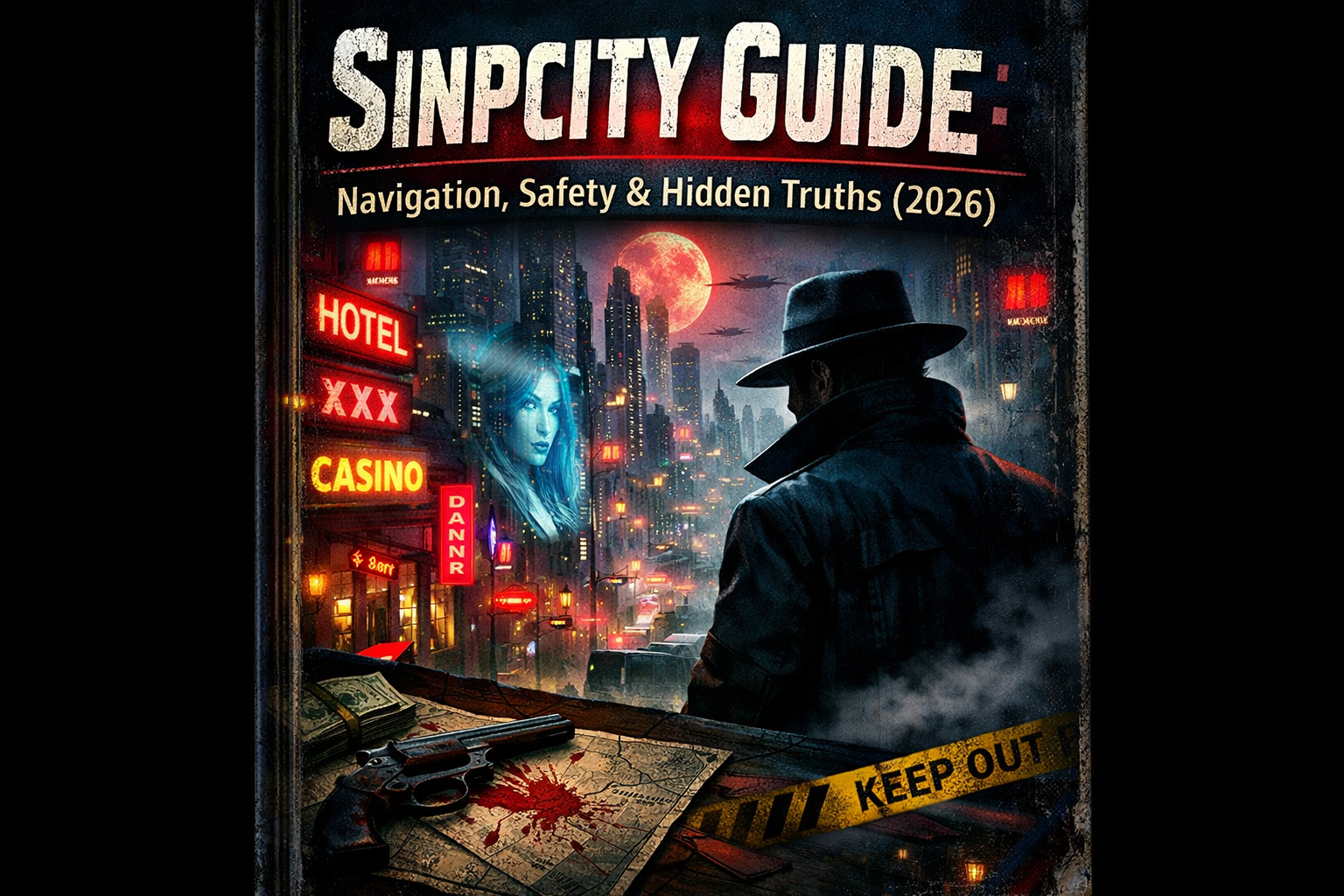
Is sinpcity a hidden digital archive or just a chaotic corner of the internet? For many users, it represents a massive vault of social media content and community discussions that are often hard to find elsewhere. If you are trying to navigate this space in 2026, you need more than just a link; you need a strategy to stay safe and get the most out of the platform.
What Exactly is Sinpcity?
Sinpcity is a high-traffic digital forum and archive primarily used for sharing social media content, influencer media, and community-driven discussions.
In practice, this platform functions as a decentralized hub where users aggregate content from various social media networks. Think of it like a giant library where the books are constantly being updated by thousands of people at once. While many see it as a simple image board, it has grown into a complex ecosystem with its own set of unwritten rules and social hierarchies. That means you aren’t just looking at a website; you are entering a community that values data preservation—sometimes at the cost of traditional digital boundaries.
The platform’s popularity stems from its ability to host content that often disappears from mainstream sites due to copyright strikes or account deletions. For many, it serves as a “perma-link” to the digital culture of the mid-2020s.
How to Get Started on the Platform
Setting up an account on Sinpcity requires a focus on privacy and security to protect your personal data from potential leaks.
Getting inside is easy, but doing it right takes effort. Here is how you can jump in without exposing yourself:
- Use a Dedicated Email: Never use your primary Gmail or Outlook. Instead, opt for an encrypted service like ProtonMail or a temporary “burner” email address.
- Activate a VPN: Because these sites often change domains (shifting from .su to .st or .info), your IP address can be logged by various servers. A VPN is your first line of defense.
- Choose a Unique Alias: Do not reuse a username from your Instagram or X (Twitter) accounts. The goal is to keep your Sinpcity identity separate from your real-world persona.
- Enable Two-Factor Authentication (2FA): If the current domain supports it, use it. These platforms are frequent targets for database breaches.
Let’s be honest: most users skip these steps and end up with compromised passwords. In simple terms, if you don’t secure your entry, you are leaving your digital front door wide open.
Understanding the Core Features
The platform is built on a “thread-and-post” architecture that allows users to organize content by creator name, platform source, or specific categories.
Navigating the site can feel like walking through a massive warehouse. To find what you need, you have to understand the layout. Most of the activity happens in “Threads.” Each thread is usually dedicated to a specific personality or topic.
Here’s a breakdown of the primary tools you’ll use:
| Feature | What it Does | Why it Matters |
|---|---|---|
| Search Bar | Filters content by keywords or names. | Saves hours of scrolling through dead threads. |
| Watchlist | Sends notifications for new posts in a thread. | Keeps you updated on fast-moving discussions. |
| Archive Tool | Saves a snapshot of external social media links. | Prevents content loss when original posts are deleted. |
| Reputation System | A “Like” or “Point” system for contributors. | Helps users identify “Elite” or trusted uploaders. |
As a result of this structure, the most valuable “real estate” on the site isn’t the homepage, but the deep-indexed search results that point to specific, long-running threads.
The Hidden Truth: The Pivot in Digital Archiving
The real story of Sinpcity isn’t about the content—it’s about the shift from a consumption model to a “data hoarding” culture that challenges current copyright laws.
Here is a truth that most users miss: Sinpcity has become a massive, unintended stress test for the internet’s legal framework. While many view it as a simple forum, it is actually a battleground for digital ownership. For example, when a creator deletes their profile, they expect their data to vanish. On Sinpcity, that data often lives on forever.
This creates a “ghost internet” where deleted history is permanently accessible. The counter-intuitive insight here is that the platform’s survival doesn’t depend on its administrators, but on its users’ obsession with “digital hoarding.” In practice, the community acts like a decentralized backup server for the entire social media world. This leads to a massive conflict with “Right to be Forgotten” laws. While you might go there for a specific image, you are actually participating in a global movement that refuses to let the internet forget anything.
Security Best Practices and Common Risks
Users face significant risks including malware, phishing links, and data harvesting if they do not follow strict security protocols.
Because the platform operates in a gray area, it attracts more than just curious browsers. It also attracts malicious actors. You might see a link that looks like a normal post but actually triggers a “drive-by download” of a tracking script.
To stay safe, follow these rules:
- No Clicking Unknown Links: Only trust links that are “vouched” for by high-reputation members.
- Disable JavaScript: If you are just viewing images, disabling JavaScript in your browser can block many common exploits.
- Check the URL: Phishing sites often use names like “sinp-city” or “simpcity-login” to steal your credentials. Always verify the domain ending (TLD).
This means your security is entirely your responsibility. The site owners aren’t going to bail you out if your account gets hijacked or your browser gets infected.
Comparing Sinpcity to Traditional Social Hubs
Sinpcity differs from platforms like Reddit or Discord because of its lack of centralized moderation and its focus on permanent archiving over real-time chat.
| Aspect | Sinpcity | Reddit/Discord |
|---|---|---|
| Moderation | Loose / Community-driven. | Strict / Algorithm + Human. |
| Content Lifecycle | Permanent (Archived). | Temporary (Often Deleted). |
| Anonymity | Very High. | Moderate / Linked to Emails. |
| Primary Goal | Resource Storage. | Social Interaction. |
That means if you are looking for a “vibe” or a conversation, you are better off elsewhere. But if you are looking for a specific piece of digital history that has been scrubbed from the main web, this is where you go.
Frequently Asked Questions
Why does the Sinpcity domain keep changing?
The domain shifts frequently to avoid legal takedowns and ISP blocks, ensuring the community can stay online despite censorship attempts. This is a common tactic for sites in the “gray market” of the internet. By moving from one country-code top-level domain (like .su) to another (like .st), they stay one step ahead of automated filters.
Is it free to use Sinpcity?
Yes, the core features of the platform are free, though some sections may require an account or a minimum “post count” to access. In practice, the site relies on ads or community donations rather than subscription fees. Be careful of any “VIP” versions that ask for credit card info; these are often scams.
Can I request specific content on the forum?
Yes, most threads have a “Request” section where users can ask for specific social media archives or creator content. However, you should follow the etiquette of the specific sub-forum. Usually, “leeching” (taking without giving) is frowned upon, so your request is more likely to be filled if you have contributed something yourself.
What should I do if my account is hacked?
If you lose access, your best bet is to immediately change passwords on any other sites that shared the same credentials. Because the site has no “customer support” in the traditional sense, a hacked account is usually gone for good. This highlights why using a unique, complex password from the start is so important.