




If you find yourself standing on a roadside in Tallinn surrounded by shattered glass, the word kahjuabi is your new best friend. In the immediate aftermath of a collision, most people panic or call a tow truck, but understanding how damage assistance works in Estonia determines whether you get a fair payout or a lowball offer.
What exactly is Kahjuabi?
Kahjuabi is the specialized field of insurance claim assistance and damage assessment designed to help accident victims recover the full financial value of their losses.
In practice, this term covers everything from the initial reporting of a traffic incident to the complex legal battles over repair costs. In Estonia, the system is governed by the Motor Insurance Act and overseen by the Estonian Motor Insurance Bureau (LKF). When you hear “kahjuabi,” think of it as a shield. It is the bridge between the moment of impact and the moment the money hits your bank account.
Most drivers assume their insurance company will handle everything fairly. That means they trust the adjuster sent by the firm that is currently trying to save money. Let’s be honest: an insurance company is a business, not a charity. Their goal is to minimize the payout. Kahjuabi services, particularly independent ones, work on the opposite side of the fence. They ensure that every scratch, internal structural bend, and even the “hidden” loss of market value is documented and billed.
The Practical Step-by-Step Claim Guide
The success of a kahjuabi claim depends on the actions taken within the first five days following a traffic accident.
If you are involved in a crash, the clock starts immediately. In Estonia, if there are no injuries and both parties agree on who is at fault, you do not need to call the police. You can fill out the digital report via the LKF website or use the standard paper form found in most gloveboxes. Here is how to handle the process like a professional:
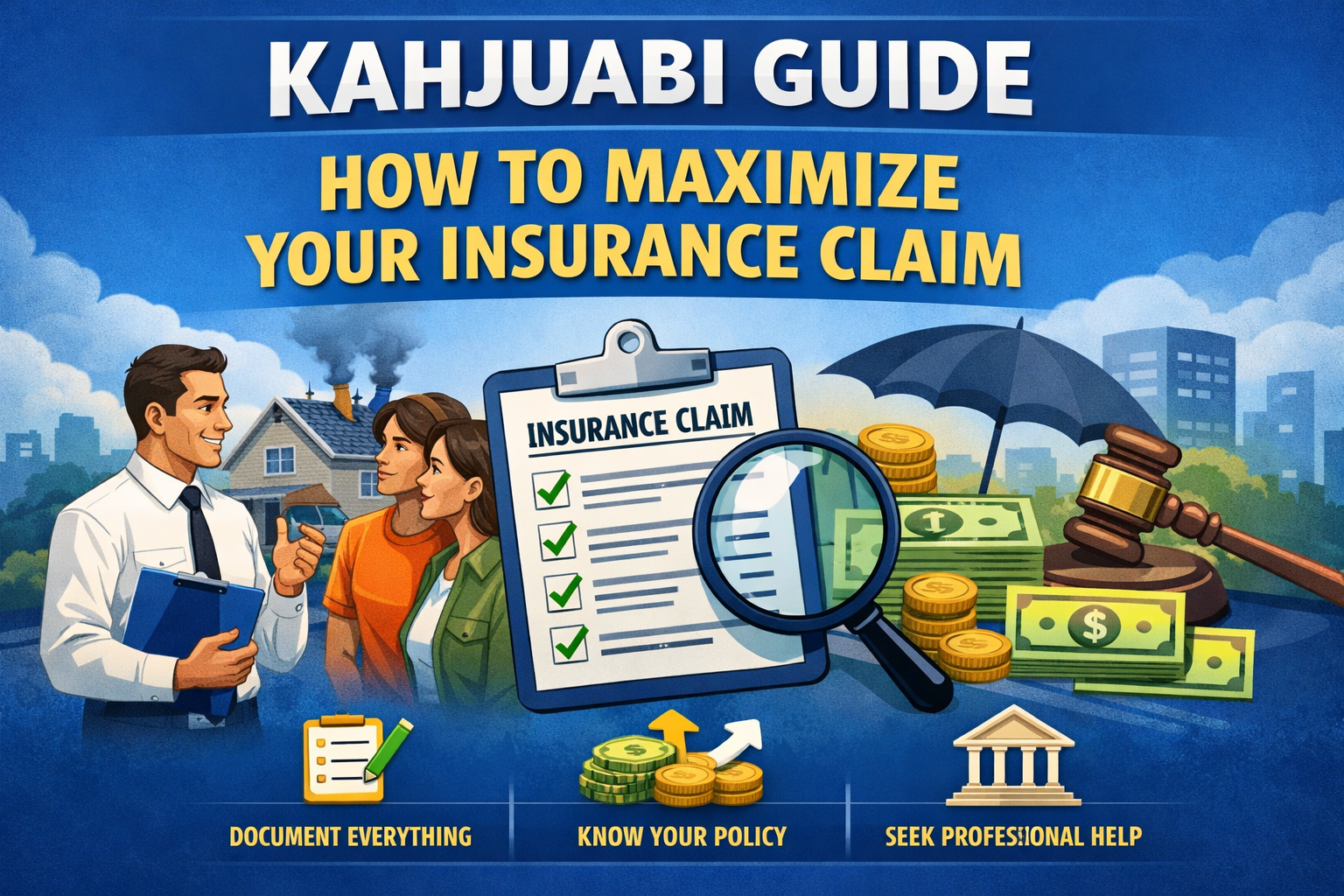
- Document the Scene: Take photos of the vehicles before moving them. Capture the license plates, the street signs, and the skid marks. These are the “receipts” for your story.
- The 5-Day Rule: The person at fault must notify their insurer within five working days. As the victim, you should also notify your insurer or the fault-party’s insurer immediately to prevent delays.
- Choose Your Repair Shop: You have the right to choose where your car is fixed. The insurance company will suggest their “partners,” but you can insist on an authorized brand dealer if your car is still under warranty.
- Request a Loss Assessment: Do not just accept a “visual estimate.” Demand a kahjuabi expert to perform a technical inspection.
Comparing Your Payout Options
Choosing between an insurance-appointed adjuster and an independent kahjuabi specialist can result in a 20% to 40% difference in your final compensation.
| Feature | Insurance Adjuster | Independent Kahjuabi |
|---|---|---|
| Primary Loyalty | The Insurance Company | The Policyholder (You) |
| Repair Standard | Cost-effective (often B-parts) | Manufacturer Standards (A-parts) |
| Market Value Loss | Often Ignored | Explicitly Calculated |
| Speed of Payout | Fast (but lower) | Detailed (Thorough) |
The Hidden Truth: The Resale Value Trap
Insurance companies rarely mention “impairment of value,” which is the permanent drop in a vehicle’s market price simply because it has been in an accident.
Here is the pivot that most “standard” guides miss. Imagine two identical BMWs for sale. One has a clean history; the other was repaired after a 5,000 EUR collision. Even if the repair was perfect, the second car is worth less. In the world of kahjuabi, this is known as “mercantile depreciation.”
In simple terms, you are losing money even after the car is fixed. Most insurers in Estonia will pay for the metal and paint, but they won’t cut you a check for the 2,000 EUR your car just lost in resale appeal. To fight this, you need an independent appraisal. You must prove that the “market value before the accident” vs. the “market value after the accident” creates a gap that remains even after the repairs. This is where high-level kahjuabi experts earn their keep. They use historical market data to force the insurer to compensate you for this invisible loss.
Common Pitfalls and How to Sidestep Them
Avoiding the trap of “cash settlements” is the most effective way to protect your financial interests after an accident.
Insurance companies love cash settlements. They will offer you a lump sum, say 3,000 EUR, to “take care of it yourself.” It sounds tempting. You think you can fix it for 2,000 EUR and pocket the rest. Do not do this.
Once you accept that cash, the claim is closed. If the mechanic opens the hood and finds a cracked engine block or a bent frame that wasn’t in the initial estimate, you are on your own. The insurance company will point to the signed agreement and walk away. A kahjuabi professional will always advise you to let the repair shop bill the insurer directly. This ensures that any “hidden” damage found during the teardown is covered.
Another mistake is failing to document your personal items. Did your laptop fly off the seat? Was a child’s car seat installed? Most people don’t realize that traffic insurance often covers damage to items inside the car, not just the car itself. For example, safety regulations dictate that a child’s car seat must be replaced after any significant impact, even if it looks fine. An expert kahjuabi team will add these costs to the tally.
A Professional Approach to Resolution
Effective kahjuabi isn’t about being aggressive; it is about being precise. The Estonian LKF provides a conciliation body for a reason. If you feel the insurer is ignoring the law, you can take them to this board for free. It is a mediation service that settles disputes without the need for a full court case.
Think of this like a chess match. The insurer makes a move (the low offer), and your counter-move is data. Provide comparable car listings, manufacturer repair manuals, and a certified assessment from a kahjuabi firm. When the evidence is overwhelming, the insurer usually folds. They would rather pay an extra 1,500 EUR than go through a public conciliation process that they are likely to lose.
Frequently Asked Questions
How much does a kahjuabi service cost?
In many cases, the cost of independent damage assistance is covered by the insurance company of the party at fault as part of the legal and assessment costs. That means you can get expert help without paying out of pocket, provided the claim is successful.
Can I use kahjuabi for a foreign accident?
Yes, if the accident occurred in a Green Card country or within the EEA, Estonian kahjuabi experts can coordinate with foreign insurers through the LKF network. The process is slower because of international communication, but the principles of fair compensation still apply.
What if the other driver has no insurance?
If you are hit by an uninsured vehicle in Estonia, the LKF (Estonian Motor Insurance Bureau) acts as the “insurer of last resort” to compensate the victim. You still follow the standard kahjuabi reporting procedures, but the claim is filed against the national fund rather than a private company.
Does kahjuabi help with medical injuries?
Yes, damage assistance covers personal injury, loss of income due to recovery, and even the cost of medical equipment or home modifications if the injury is severe. Personal injury claims are significantly more complex than property damage and almost always require professional legal assistance.