





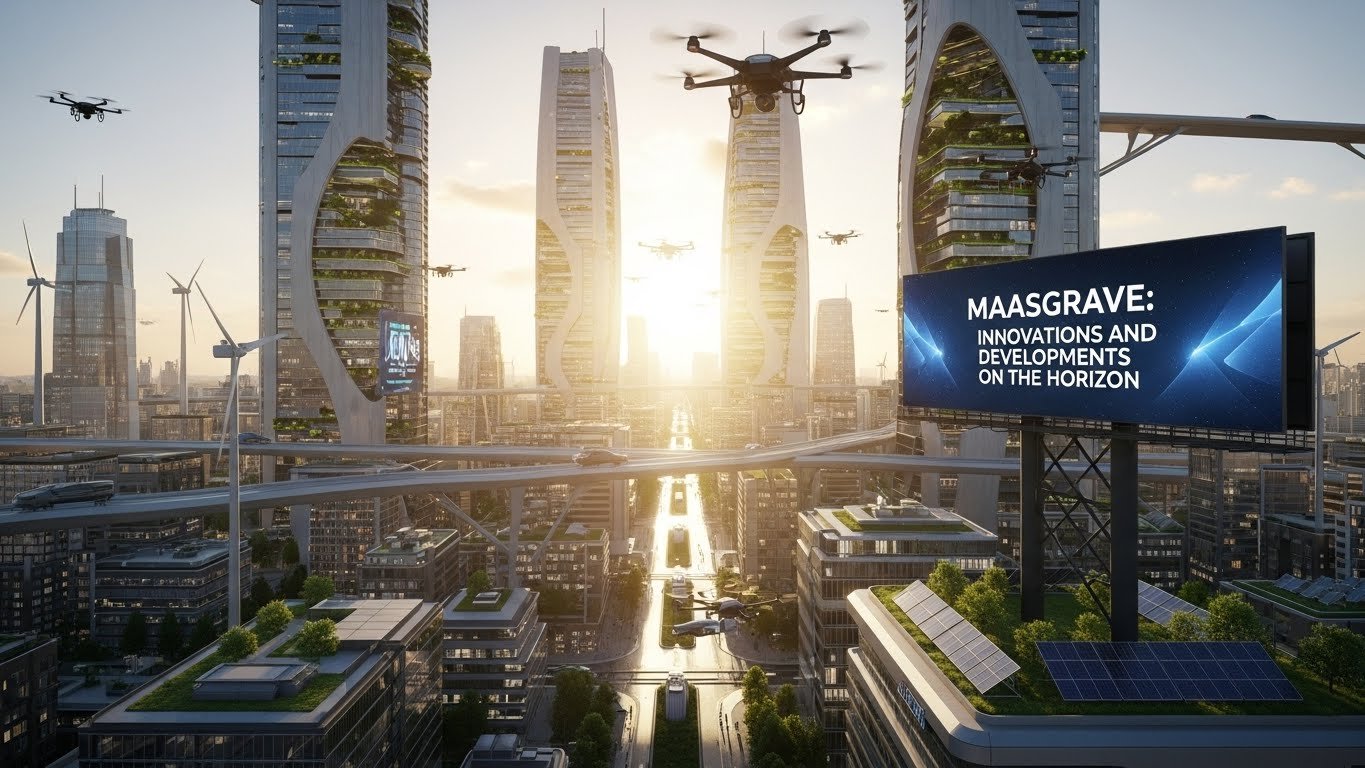
Maasgracve is poised to reshape the way we interact with technology and our environment. As innovation accelerates, its significance becomes increasingly undeniable. This emerging field holds the promise of transforming industries, enhancing everyday life, and fostering sustainable practices.
Imagine a world where seamless connectivity enhances efficiency in urban planning or where smart systems optimize resource management. Maasgracve embodies these possibilities and more. It invites us to explore uncharted territories filled with potential advancements that could redefine how we approach daily challenges.
What is Maasgracve?
Maasgracve refers to a transformative approach in transportation and mobility, focusing on the integration of various modes of transport. This concept aims to create seamless connections between public transit systems, ride-sharing services, bicycles, and even walking paths.
At its core, Maasgracve combines Mobility as a Service (MaaS) principles with innovative technology. By leveraging data analytics and user-friendly applications, it personalizes travel experiences for individuals based on their preferences.
Imagine planning your entire journey through one app that considers real-time traffic updates or weather conditions while suggesting the most efficient route. This holistic model not only enhances convenience but also promotes sustainable practices by reducing congestion and carbon footprints.
In essence, Maasgracve is about reimagining how we think about movement in urban environments. Its potential extends well beyond mere transportation; it’s about fostering smarter cities where mobility becomes more accessible for everyone.
Current Technologies and Applications of Maasgrave
Maasgracve is rapidly reshaping multiple sectors with its innovative technologies. At its core, this concept utilizes a blend of AI and IoT to create smart environments that enhance mobility.
Current applications range from autonomous vehicles to intelligent logistics systems. For instance, cities are integrating Maasgracve principles into public transportation, making it more efficient and user-friendly.
In agriculture, precision farming techniques powered by Maasgracve allow farmers to optimize resources like water and fertilizer. This leads to increased crop yields while minimizing environmental impact.
Moreover, urban planning is evolving through the adoption of Maasgracve frameworks. Smart grids are becoming commonplace as they support sustainable energy consumption patterns in real-time.
These advancements illustrate how Maasgracve not only enhances operational efficiency but also fosters sustainability across various industries. Its potential continues to captivate innovators looking for solutions in our ever-evolving landscape.
Advancements in Maasgrave Technology
Recent advancements in maasgracve technology are transforming how we approach various challenges. Enhanced algorithms and machine learning models have significantly improved data processing capabilities. This allows for more accurate predictions and smarter decision-making.
The integration of artificial intelligence is another leap forward. AI systems can analyze vast amounts of information, identifying patterns that humans might overlook. This boosts efficiency across multiple sectors, from logistics to healthcare.
Moreover, the adoption of blockchain within maasgracve ensures transparency and security in transactions. Companies can track assets with unprecedented accuracy while minimizing fraud risks.
Innovative partnerships between tech firms and traditional industries are fostering rapid growth. Collaborations focus on developing tailored solutions that meet specific needs, driving further evolution in this space.
As these technologies continue to mature, their impact will be felt far beyond initial applications, opening doors to new opportunities we have yet to fully imagine.
Potential Future Developments
The future of maasgracve holds immense promise. As technology evolves, we can expect breakthroughs that enhance efficiency and connectivity. Innovations in machine learning will likely play a key role in optimizing operations.
Imagine smart systems that adapt to real-time data inputs, improving decision-making processes across various sectors. The integration of artificial intelligence could lead to more autonomous applications within the maasgracve framework.
Moreover, advancements in sustainability are on the horizon. Future developments may prioritize eco-friendly practices, aligning with global efforts for greener solutions.
Collaboration between industries might also deepen as stakeholders recognize the value of shared resources and knowledge. This interconnectedness could pave the way for innovative partnerships, fostering growth and creativity.
New regulatory frameworks may emerge too, guiding maasgracve’s evolution while ensuring safety and compliance. These changes will shape how we interact with this transformative concept moving forward.
Impact on Industries and Society
Maasgracve is poised to change the landscape of various industries. The integration of this technology can streamline operations, boost efficiency, and enhance productivity across sectors like transportation, logistics, and manufacturing.
In healthcare, Maasgracve applications promise improved patient care through better data management and real-time monitoring. This could lead to quicker diagnoses and personalized treatment plans.
Furthermore, education stands to benefit from Maasgracve innovations. Interactive learning environments powered by this technology create immersive experiences that engage students more effectively than traditional methods.
Society as a whole will likely experience shifts in employment dynamics. As automation becomes widespread through Maasgracve solutions, new roles may emerge while others become obsolete.
Adaptability will be essential for both individuals and organizations navigating these changes. Communities must prepare for an evolving workforce that embraces technological advancements while maintaining ethical standards in collaboration with human input.
Ethical Considerations
As Maasgracve technologies evolve, ethical considerations become paramount. The integration of advanced systems into daily life raises questions about privacy and surveillance. How much data is too much?
Moreover, there’s the issue of accountability. When machines make decisions, who bears responsibility for outcomes? This ambiguity can create significant challenges in legal frameworks.
The environmental impact cannot be overlooked either. Innovations must prioritize sustainability to minimize ecological footprints while maximizing efficiency.
Inclusivity plays a vital role. Ensuring that all communities benefit from Maasgracve advancements is crucial to avoid widening existing inequalities. Addressing these concerns will shape the trajectory of future developments in this field.
The Exciting Future of Maasgrave
The future of maasgracve is poised for remarkable transformations. With rapid advancements in technology, the integration of AI and machine learning will enhance its capabilities. Imagine a world where autonomous systems work seamlessly alongside humans.
Smart cities are on the horizon, with maasgracve playing a central role in urban transportation solutions. Enhanced connectivity will reduce congestion and improve air quality. These innovations promise to make commutes more efficient and sustainable.
Furthermore, as data analytics evolve, personalized services tailored to individual preferences will emerge. Users can expect real-time updates on routes and travel options that suit their needs best.
Sustainability remains at the forefront, driving research into eco-friendly alternatives within this domain. Electric vehicles powered by renewable energy sources could revolutionize public transport networks everywhere.
As these developments unfold, they pave the way for an inclusive society where mobility becomes accessible to all demographics. The potential impact is truly exhilarating.
Conclusion
As we look ahead to the future of Maasgracve, it is evident that innovation will play a pivotal role in shaping our world. The potential for advancements in technology and applications is vast. From enhancing urban mobility to revolutionizing industries, the implications are profound.
The ongoing developments promise not only efficiency but also sustainability across various sectors. This evolution invites us to consider how these changes can improve everyday life while addressing critical challenges such as climate change and resource management.
Ethical considerations remain at the forefront of discussions surrounding Maasgracve technologies. Balancing progress with responsibility will be essential as society navigates this transformative landscape.
With each advancement, we move closer to realizing the full potential of Maasgracve. Excitement surrounds what lies on the horizon, urging individuals and organizations alike to engage with these innovations thoughtfully and creatively. As opportunities arise, staying informed about trends and ethical practices will ensure a brighter future powered by Maasgracve solutions.